GHK-Cu: the copper peptide behind the GLOW stack
The copper-binding tripeptide studied in skin and matrix research — what it is, what the literature covers, and how to verify a batch.
Research Notes / Science
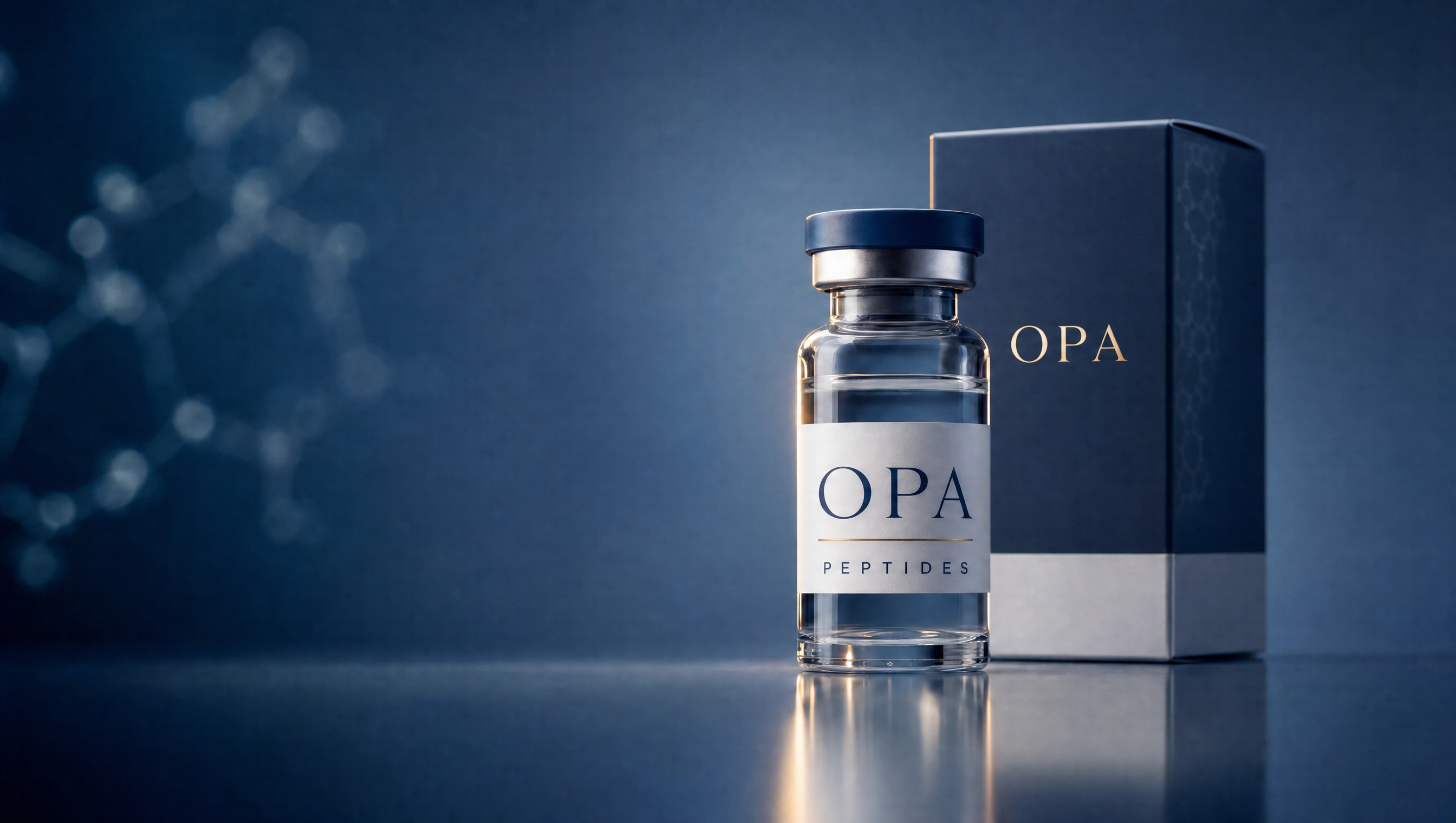
BPC-157 is a synthetic pentadecapeptide — a chain of fifteen amino acids — derived from a protective protein sequence first described in gastric research. It appears frequently in preclinical literature, which is why it is one of the most requested compounds in the Opa Peptides catalog.
Published work on BPC-157 is preclinical: cell-culture and animal-model studies exploring its behavior in biological systems, including angiogenesis signaling and nitric-oxide pathways. These are research findings, not clinical outcomes — no regulatory body has evaluated BPC-157 as a medicine, and Opa Peptides supplies it strictly as a laboratory research material.
Each Opa Peptides BPC-157 vial is independently identity- and purity-tested, ships in cold-chain-aware packaging, and is backed by batch documentation available on request. For concentration planning, the calculator has a 10 mg BPC-157 preset, and the reconstitution guide covers diluent handling step by step.
Research use only. This article summarizes preclinical literature for context and makes no medical, therapeutic, or outcome claims.
II MORE RESEARCH NOTES
The copper-binding tripeptide studied in skin and matrix research — what it is, what the literature covers, and how to verify a batch.
mg, mg/mL, mcg and U-100 units describe the same vial four different ways. Here is how the conversions work.
Identity, purity, lot, and method. A COA is only useful if you know which four fields to read first — and what a missing one implies.
OPA PEPTIDES
Review the catalog, request batch documentation, or reach out about research-grade peptide presentation.