BPC-157 in the literature: what researchers study and why
What BPC-157 is, what the published research literature actually examines, and how labs verify a batch before working with it.
Research Notes / Handling
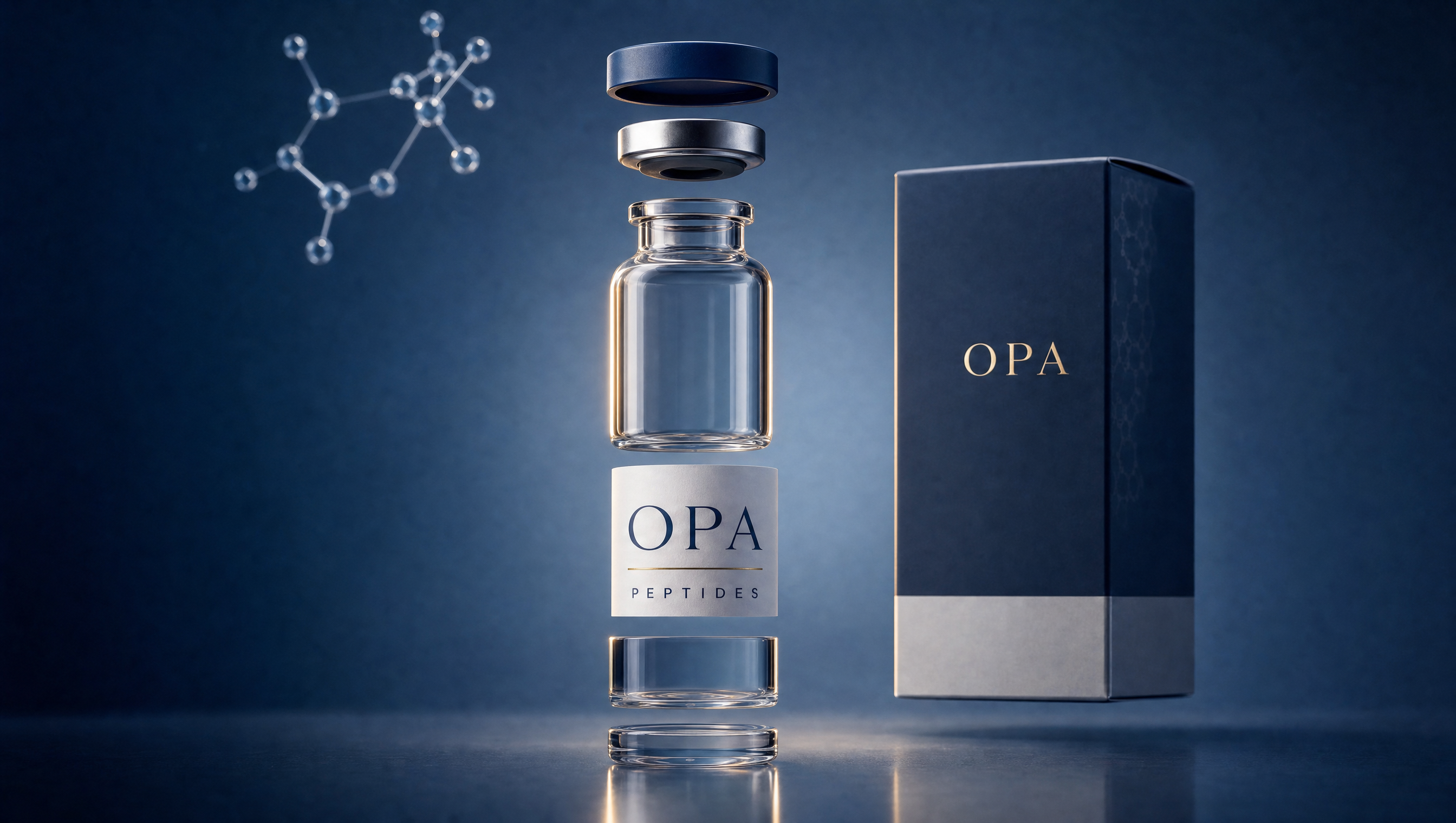
Lyophilization exists because water is the enemy of a stable peptide. Freeze-drying removes it, leaving a solid cake that tolerates transit far better than a solution. That tolerance is not unlimited, and what happens after the vial leaves the facility is as important as how it was made.
Once a peptide is in solution the clock speeds up. Refrigerate immediately after reconstitution, keep the stopper clean between withdrawals, and record the reconstitution date on the label so nobody has to guess how old the solution is. Where a protocol needs a long hold, aliquoting into single-use volumes avoids repeated freeze-thaw of the whole stock.
Cold-chain-aware shipping is packaging, routing, and timing treated as one system: insulated packaging with coolant sized for the transit window, secure secondary packaging so vials do not move, and clear labeling so the box is handled correctly the moment it arrives. Opa Peptides ships this way and documents each batch, so a vial that reaches your bench matches the paperwork written for it.
Research use only. This article covers material handling in a laboratory setting and makes no medical, therapeutic, or outcome claims.
II MORE RESEARCH NOTES
What BPC-157 is, what the published research literature actually examines, and how labs verify a batch before working with it.
The copper-binding tripeptide studied in skin and matrix research — what it is, what the literature covers, and how to verify a batch.
mg, mg/mL, mcg and U-100 units describe the same vial four different ways. Here is how the conversions work.
OPA PEPTIDES
Review the catalog, request batch documentation, or reach out about research-grade peptide presentation.